
.svg)

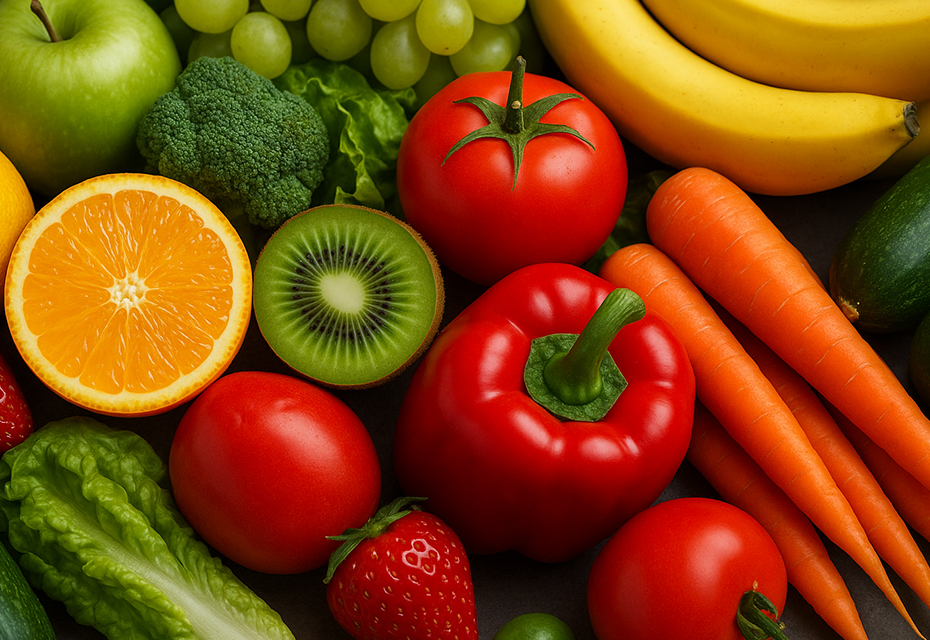


Given the fact that most produce originates in fields, orchards, and outdoor growing environments, there are significant opportunities for environmental foreign materials to mix with products during harvesting, handling, and transportation. For produce manufacturers, this creates serious food safety and compliance risks that must be addressed before products reach consumers.
Modern fruit and vegetable X-ray inspection systems help manufacturers detect and remove contaminants during bulk flow processing and at other critical control points throughout production. By integrating advanced X-ray inspection for produce into processing lines, manufacturers can improve product integrity, support regulatory compliance, and reduce the risk of recalls.
Why Produce Manufacturers Need X-ray Inspection
The popular saying, “Money doesn’t grow on trees,” may be true, but for produce manufacturers, revenue can certainly be lost there through contamination events introduced during harvesting and processing.
Foreign material contamination in produce is a common real-world challenge. Broken glass bottles near walnut trees, rocks collected alongside beans, and even golf balls harvested with potatoes are all examples of environmental contaminants that can enter the food stream. Downstream in production, additional hazards may also emerge. Components from sieves, screens, or processing equipment can break apart, introducing fine metal wire fragments or other contaminants into finished products.
These scenarios pose serious risks to food safety, product quality, and brand reputation. Even a single contamination incident can lead to expensive recalls, production downtime, regulatory scrutiny, and long-term damage to consumer trust.
This is why bulk flow X-ray inspection systems have become essential in modern produce processing operations.
Protect your produce line from contamination and costly recalls with advanced X-ray inspection systems. BOOK A PRODUCT TEST >>>
How Fruit and Vegetable X-Ray Inspection Works
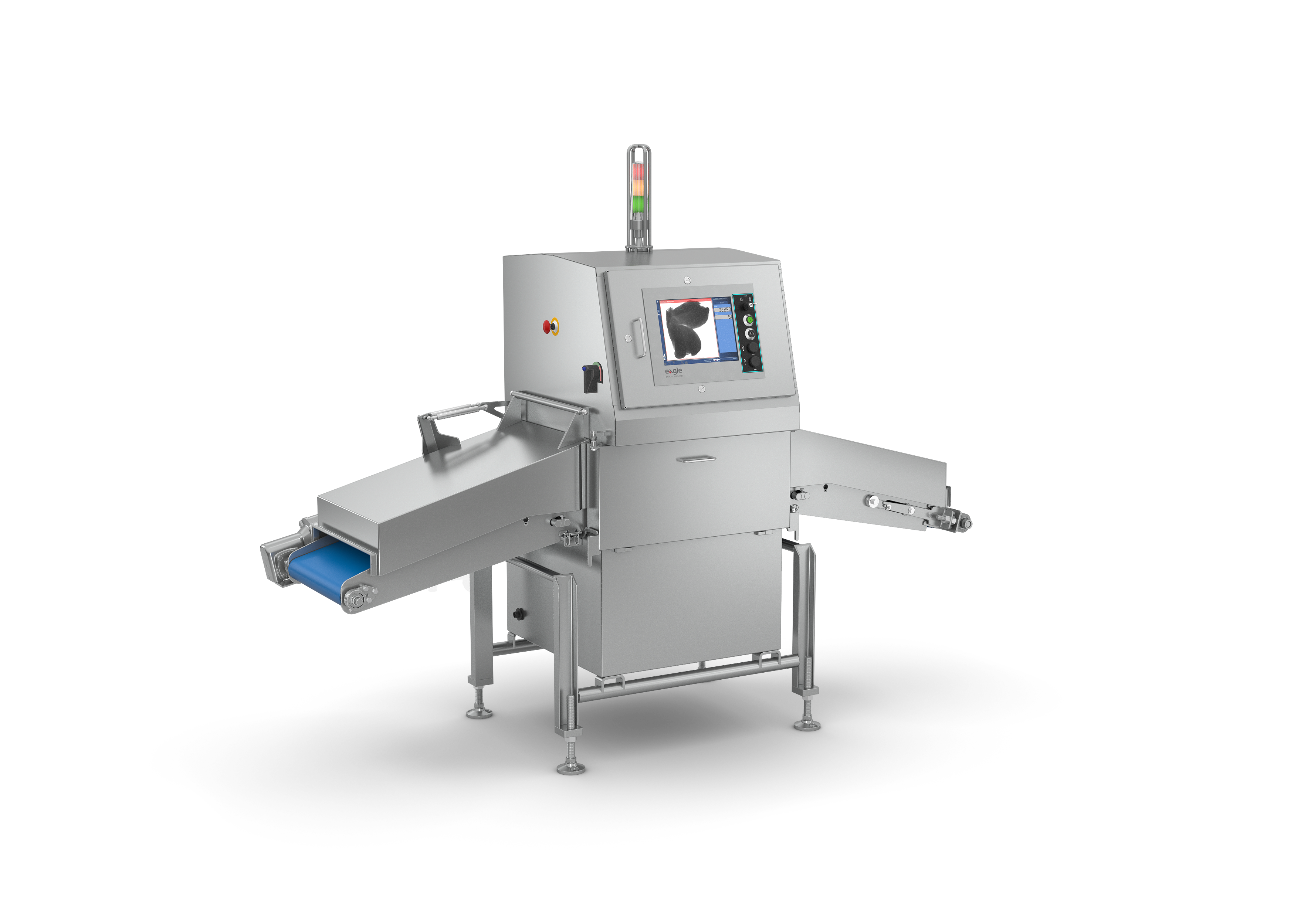
X-ray inspection systems analyze products as they move through the production line, identifying density differences that indicate potential foreign materials. Advanced systems can detect contaminants previously difficult to identify, even within dense or visually complex product streams.
For fruit and vegetable manufacturers, X-ray technology is especially valuable because contaminants are often irregular, unpredictable, and naturally introduced during harvesting. Unlike traditional inspection technologies that may struggle with overlapping products or organic variation, X-ray inspection systems can inspect products in real time while maintaining high throughput rates.
Modern X-ray systems can detect a wide range of foreign materials, including:
- Stones and rocks
- Glass fragments
- Dense plastics
- Metal contaminants
- Wire fragments
- Bone fragments
Dual energy MDX technology further improves detection performance by helping operators identify difficult-to-find contaminants within busy production images. Processors can locate hazardous contaminants at high line speeds with accuracy and reliability which fosters greater confidence in overall brand quality.
Critical Control Points and HACCP Compliance
X-ray inspection systems play a major role in Hazard Analysis and Critical Control Point (HACCP) programs. Critical control points (CCPs) are established to identify and manage food safety risks throughout production, and xX-ray inspection often serves as one of the final verification stages before products are packaged and shipped.
For produce manufacturers, fruit and vegetable compliance increasingly depends on implementing effective inspection technologies that align with evolving global food safety standards.
HACCP programs are commonly used to demonstrate compliance with standards and frameworks:
- Safe Quality Food (SQF)
- BRC Global Standard for Food Safety
- ISO food safety standards
- Food Safety Modernization Act (FSMA) requirements in the United States
Under FSMA, food manufacturers are expected to implement preventive controls and maintain documented food safety practices. X-ray inspection systems support these requirements by helping manufacturers identify contamination risks before products enter the product stream or leave the facility.
Eagle Product Inspection provides proprietary traceability software designed to support these requirements. Software such as TraceServer™ allows manufacturers to retrieve product information and x-ray inspection images from centralized databases that can be used when questions arise regarding specific batches or production runs.
This level of traceability significantly reduces the time required to investigate incidents and support compliance documentation during audits or recall events.
Need the right fruit and vegetable X-ray solution? FIND THE RIGHT SYSTEM >>>

Applications Across Produce Processing
X-ray inspection for produce supports a wide range of applications across fresh, frozen, bulk, canned, and packaged products.
Produce manufacturers commonly use fruit and vegetable x-ray systems to inspect:
- Fresh fruits and vegetables
- Frozen produce
- Mixed fruit products
- Fruit salads
- Salad kits
- Purees
- Jams and jellies
- Juices
- Bulk unpackaged products
Packaging configurations are equally diverse. Modern systems can inspect:
- Trays
- Flexible pouches and bags
- Cartons
- Boxes and cases
- Metal tubs
- Tall rigid containers
Because production environments vary significantly, manufacturers often require inspection systems tailored to specific throughput, product density, packaging style, and contamination risks.

Eagle PI X-Ray Inspection Solutions
As part of METTLER TOLEDO since 2011, Eagle Product Inspection specializes in advanced X-ray inspection technologies for the food and beverage industry. The company develops inline inspection systems designed to improve food safety, maximize line efficiency, and support regulatory compliance.
Eagle’s portfolio includes technologies such as:
- Dual energy X-ray inspection
- Photon-counting technology
- Fat analysis systems
- Bulk flow inspection systems
- Packaged product X-ray systems
With more than 30 years of X-ray inspection experience and over 3,000 global installations, Eagle supports food processors across numerous industries, including produce, meat, poultry, seafood, and packaged foods.
The company’s inspection systems are designed to help manufacturers:
- Detect contaminants more reliably
- Reduce false rejects
- Improve product quality assurance
- Minimize downtime
- Support HACCP and FSMA initiatives
- Strengthen recall preparedness
In addition to equipment, Eagle provides service support, remote diagnostics, training programs, spare parts, and preventative maintenance services to help keep production lines operating efficiently.
Supporting Food Safety in a Growing Market
Recent market trends show growing consumer demand for plant-based and produce-focused food products. As this market expands, regulatory expectations surrounding food safety and quality assurance continue to become more stringent. Produce manufacturers must now balance increasing throughput demands with heightened compliance obligations and consumer expectations for safe, high-quality products.
Implementing advanced bulk flow x-ray inspection technology helps manufacturers strengthen food safety programs while protecting brand reputation from costly recalls and negative publicity. For many operations, x-ray inspection systems have evolved from optional quality control tools into critical components of modern food safety infrastructure.
To stay current on evolving global food safety standards and inspection best practices, manufacturers can explore additional educational resources from Eagle Product Inspection Learning Resources, including guides focused on HACCP, FSMA compliance, and food quality regulations.
Improve HACCP compliance and product traceability
Contact a team member to help you get started.
"*" indicates required fields
FAQs of Fruit & Vegetable X-ray Inspection
How does fruit and vegetable X-ray inspection support compliance?
Fruit and vegetable X-ray inspection supports compliance by helping manufacturers identify foreign material risks, verify critical control points, and maintain documented food safety processes for HACCP, FSMA, SQF, BRC, and ISO programs.
What contaminants can X-ray inspection systems detect in produce?
X-ray inspection systems can detect stones, rocks, glass fragments, dense plastics, metal contaminants, wire fragments, calcified materials, and other foreign materials that may enter produce during harvesting or processing.
Why is bulk flow X-ray inspection important for produce processing?
Bulk flow X-ray inspection helps inspect unpackaged or loose produce in real time, allowing manufacturers to identify foreign materials while maintaining high throughput across fresh, frozen, mixed, or processed fruit and vegetable products.
How does X-ray inspection improve recall readiness?
X-ray inspection improves recall readiness by helping manufacturers store inspection images, product data, and batch records that can be retrieved during audits, investigations, or recall events.


